.png)


HMI for Electric Vehicle
Date:
6/5/2025
.png)
(01) Overview
For Year 3 of the EcoCAR EV Challenge, UWAFT developed advanced software systems for connected and autonomous vehicle technology, including a fully integrated Human-Machine Interface (HMI). The project combined robust software architecture, streamlined code deployment, and an intuitive interface to display key vehicle functions. I refined the HMI designs to enhance clarity, accessibility, and user experience, ensuring they fit seamlessly within the team’s technical framework.
(02) Ideate
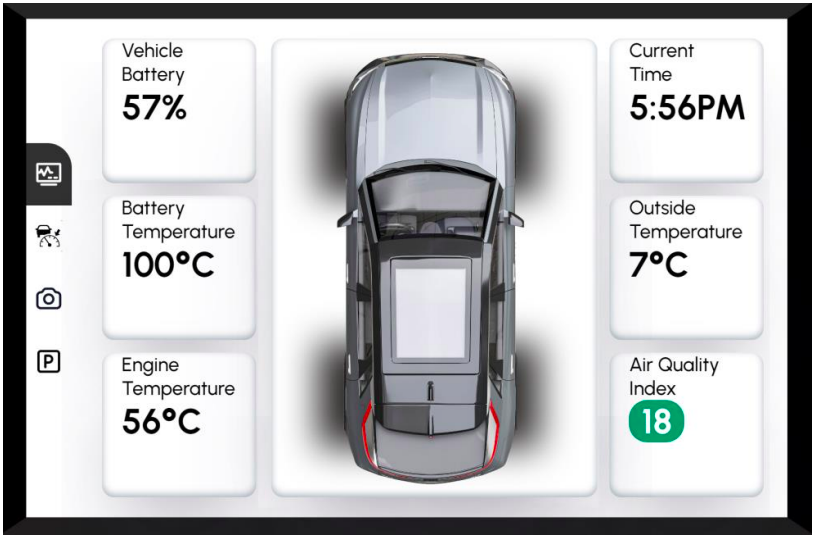
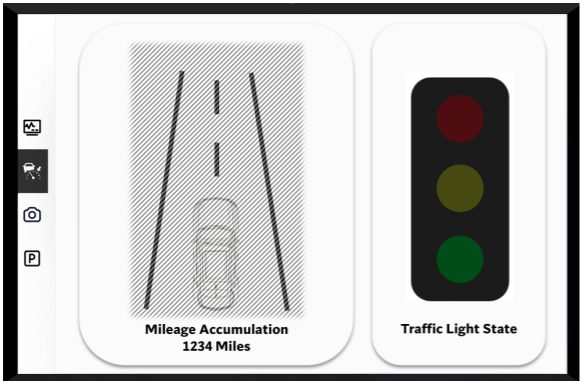
When I joined the project, the team already had an initial HMI draft created without a dedicated designer. My role began with reviewing these early concepts, identifying usability challenges, and mapping out opportunities to simplify interactions. I focused on improving visual hierarchy, navigation flow, and accessibility, while aligning the interface more closely with user-centered design principles. By working closely with the software team, I ensured each refinement maintained technical feasibility while elevating the overall user experience.
(03) Brainstorm
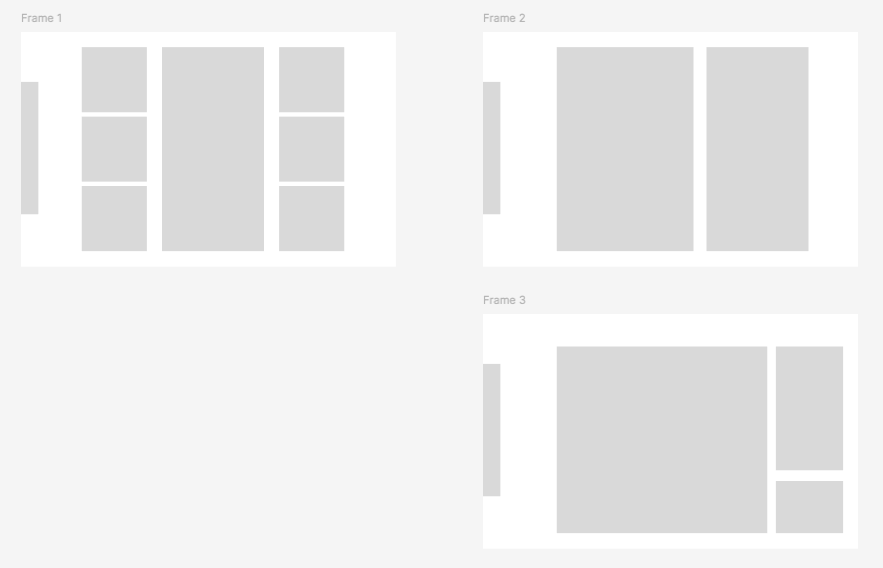
To modernize the look and feel of the HMI, I researched contemporary automotive interface trends, studying design systems from leading EV and CAV manufacturers. The goal was not to reinvent the interface, but to reimagine it—retaining all existing components and features while presenting them in a cleaner, more intuitive way. I experimented with updated color palettes, typography, and iconography, as well as reorganizing layouts to make essential information more prominent. These design explorations served as the foundation for transforming the original draft into a more polished, modern, and user-friendly interface without sacrificing any of its core functionality.We dive deep into understanding your values and target audience to develop a cohesive brand strategy. From crafting captivating logos to defining your brand voice, we create a brand that resonates and leaves. We dive deep into understanding your values and target audience to develop a cohesive brand strategy. From crafting captivating logos to defining your brand voice, we create a brand that resonates and leaves
(04) Design
.png)
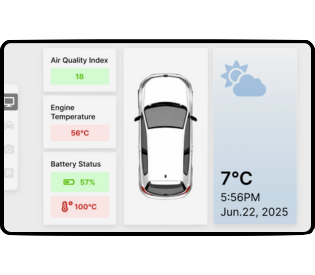
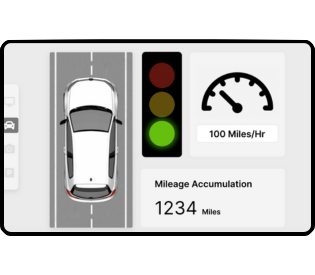
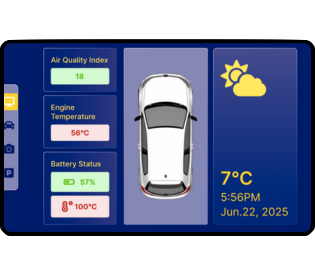
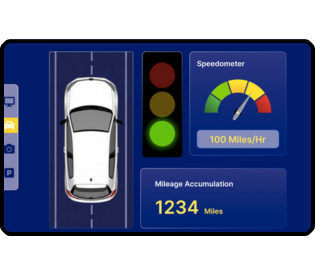
This HMI screen displays key vehicle metrics in a clear, at-a-glance layout, including air quality index, engine temperature, battery status, and real-time weather. The information is organized into visually distinct cards, using color cues to indicate safe, warning, and critical states for quick interpretation by the driver. The central vehicle visualization provides spatial context, while the right-hand weather panel adds environmental awareness.
Two versions of this design were created: one that incorporates UWAFT’s official design team theme colors to align with the broader competition branding, and another with a clean, minimalistic aesthetic for a more timeless and distraction-free interface. Both versions retain identical functionality, ensuring consistent usability while offering flexibility in visual presentation.
(05) Next Steps
After producing several refined design options, the next phase focuses on validation through user testing. This involves presenting the prototypes to both technical team members and potential end-users to gather feedback on usability, clarity, and overall experience. Collaboration with the engineering team will ensure that any design adjustments remain technically feasible, while incorporating feedback will help fine-tune visual hierarchy, navigation, and feature placement. The goal is to confirm that the updated HMI not only looks modern but also functions seamlessly in real-world vehicle operation.